
Search
 News
News
From the Lab to the Living Room: Decoding Parkinson’s Patients’ Movements in the Real World
For people living with Parkinson’s disease, this gap between laboratory research and real-world behavior has limited efforts to improve gait symptoms outside of the clinic. News
News
Tailored Deep Brain Stimulation Improves Walking in Parkinson’s Disease
UCSF researchers develop first-of-its-kind measure of gait performance, allowing researchers to fine tune electrical pulses to the neural network. Document
UCSF Stroke Clinic
The stroke clinic provides expert consultations and outpatient care to patients who are at risk of a stroke or have had a stroke due to neurovascular conditions. News
News
This AI Tool Helps Neurosurgeons Find Sneaky Cancer Cells
An AI-based diagnostic system reveals cancerous tissue that may not otherwise be visible during brain tumor surgery. Document
Neuromuscular Clinic Referral Guide
 News
News
New Discovery Reveals Pathway to Modulate Scarring in Spinal Cord Injury
After a spinal cord injury, nearby cells quickly rush to action, forming protective scar tissue around the damaged area to stabilize and protect it News
News
Forecasting May Help People with Epilepsy Predict Their Seizures
UCSF team discovers brain activity patterns that foreshadow seizures up to 24 hours before they occur. News
News
ER Visit Leads to Moyamoya Disease Diagnosis and Personalized Treatment Plan: UCSF Case Study
A 47-year-old woman came to the UCSF emergency department with acute slurred speech along with left-sided facial droop and left-sided numbness, suggesting a stroke. Vessel imaging showed bilateral obstructive arteriopathy, an indication of moyamoya disease. News
News
Improving Measurement of Parkinson’s Disease Severity with AI
Despite recent advancements in the treatment of Parkinson’s Disease, it remains a challenge to accurately measure the progression of symptoms in this neurological disorder. Document
Interdisciplinary Vasculopathy Care
The UCSF Vasculopathy Clinic provides comprehensive, interdisciplinary care for patients with moyamoya disease, atherosclerosis and other conditions that cause intracranial vasculopathy.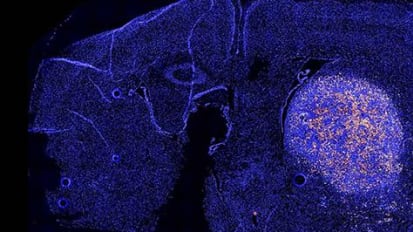 News
News
Gene Therapy Is Halting Cancer. Can It Work Against Brain Tumors?
Approximately 12,000 Americans are diagnosed each year with glioblastoma. Patients survive on average for just 15 months after their diagnosis, and new treatments are urgently needed.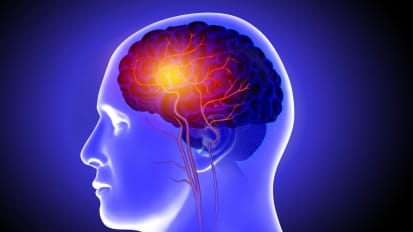 Video
Video
Brain Aneurysms: What Primary Care Providers Need to Know
This presentation from neurosurgeon Ethan A. Winkler, MD, PhD, offers data-driven guidelines on assessing a patient's risk, covering factors that range from alcohol consumption and family history to the location, size and shape of the aneurysm. News
News
Focused Ultrasound Technology May Overcome Barrier to Brain Tumor Treatments
The blood-brain barrier protects the brain from many viruses, bacteria, and other harmful small molecules that could be circulating throughout the body. However, this same barrier prevents many cancer therapies from reaching brain tumors.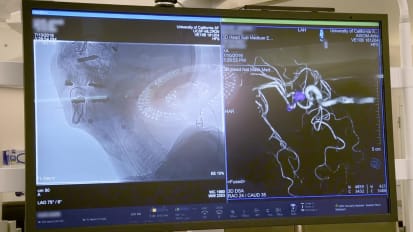 Video
Video
Treating Brain Aneurysms: How a Savvy Neurosurgical Team Individualizes Care
In this short video, vascular and endovascular surgeon Ethan Winkler, MD, PhD, explains the factors that go into determining the right treatment for different cases involving dangerously bulging blood vessels in the brain. Document
Neuroendovascular Surgery
The newly formed Neuroendovascular Surgery program at UCSF offers accessible, coordinated care for even the most complex vascular disorders of the central nervous system.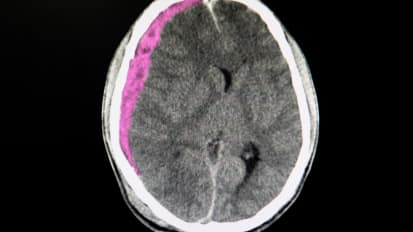 Video
Video
Advanced Care of Subdural Hematoma in the Elderly: A Look at Embolization
Neurosurgeon Luis Savastano, MD, PhD, discusses middle meningeal artery embolization, a cutting-edge, outpatient procedure for subdural hematoma. Document
Center for Encephalitis and Meningitis
The UCSF Center for Encephalitis and Meningitis provides comprehensive services to diagnose and treat patients with challenging neuroinflammatory disorders. Document
UCSF Laser Interstitial Thermal Therapy
UCSF Laser Interstitial Thermal Therapy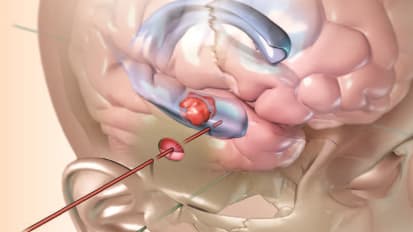 Document
Cerebrovascular Neurosurgery
As one of the highest volume and most experienced surgical programs in the nation for cerebrovascular disorders, we offer a wide range of treatment options tailored to each patient, leading to safer surgeries and better outcomes.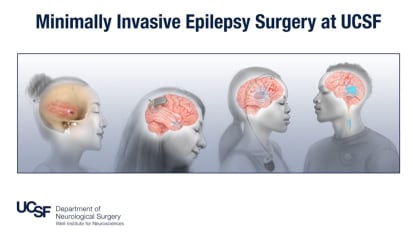 Video
Video
Surgery for Epilepsy: Advanced Techniques and Appropriate Candidates
Many patients with uncontrolled seizures are unaware that they can be helped – and providers have an opportunity to start them toward a better quality of life simply by explaining the latest options. Video
Video
The Value of Focused Ultrasound for Essential Tremor: Safety, Precision, Sustained Results
The most common movement disorder, essential tremor often doesn’t respond to meds and depresses quality of life. As neurosurgeon Doris Wang, MD, PhD, explains in this short, information-packed presentation, focused ultrasound can bring immediate and lasting relief to many.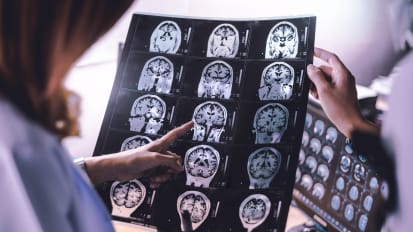 Document
Referral Guide for Physicians - Neurology and Neurological Surgery
Referral and specialty care clinic information provided by UC San Francisco’s departments of Neurology and Neurological Surgery. Document
Headache Center Inpatient Referral Guide
As the only program with an Inpatient Headache Treatment Unit in Northern California, UCSF’s Headache Center helps improve the quality of life for individuals suffering from debilitating headaches. Document
UCSF MD Link: Web-Based Communication Portal for Physicians
Our web portal allows referring physicians to securely access their patients’ entire electronic health record, make online referral requests and communicate with our physicians directly and securely.
