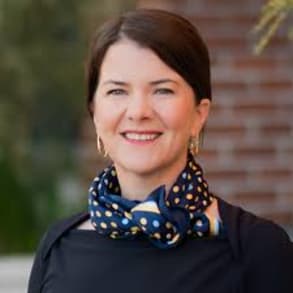
Hearing loss is associated with cognitive decline, so finding solutions that help patients stay socially connected is crucial. When providers understand the current possibilities – which range from high-tech implants to affordable over-the-counter aids to smartphone hacks – they can guide individuals toward the tools that suit their needs and finances. In this update, otolaryngologic surgeon Caroline Schlocker, MD, explains which patients are candidates for OTC hearing aids; when seeing an audiologist is essential; and the pros and cons of specific devices.
Hi, everyone. Uh, thanks for having me again. I really appreciate the invitation and opportunity, opportunity to speak. So, I'm a general otolaryngologist. I really enjoy doing it all. Um, I do have a comprehensive adult practice here, um, but I treat all otol Otolaryngology conditions including a tympanic membrane rupture, holes in the eardrum, oscicular chain reconstruction that causes conductive hearing loss, acute fracture reduction, so those referrals should be urgent for any, any fractures or auricular hematomas that people have septoplasty and septor rhinoplasty, and then chemo denervation. AKA Botox in this particular practice for migraine, temperamandibular disorder, and cosmetic reasons. So, what I'd like to do is, um, offer treatment options that allow patients to basically move on with their lives, hopefully, just sort of, you know, improve their health and quality of life and then move on from being a patient to sort of going back to what they really like to do. Today I'm talking about hearing aids, broad topic. I'm mostly focusing on the newer regulations and changes of the uh over the counter regulation that's occurred, and if anyone has other questions, um, I'm not an audiologist, I can't get too much into the weeds, but if there's something you have a question that's not addressed in this talk, I'm, I'm pretty facile with talking about the advanced beginner basics of hearing aids, so I'm happy to answer questions at the end that might be. Ah, not as directly related to the over the counter, ah, legislation that just has been enacted. So today, I'd like to talk about the path to over the counter hearing aids. I will briefly touch on prescription hearing aids and then move in a little bit more to over the counter hearing aids as well as amplifiers and hearables. And while I'm very passionate about trying to open access to hearing amplification to patients and people who need it, I have no commercial interest in any of the companies discussed, and everything's on label and FDA approved, but just I do mention specific company names as in an effort to give you Resources and places to turn when your patients are asking you for information. So why do we care? Ah, hopefully you do. No, oh, everyone cares, um, but hearing loss is incredibly common. 15% of US adults report hearing difficulty, and in the VA tinnitus and hearing loss are the number one and number two rated disability medical conditions, and disabling hearing loss in some epidemiologic studies is shown to increase with age, so you have the stats that are seen here and then by 50%, sorry, by 75 or older, 50% of adults have disabling hearing loss. But of those, fewer than 1 in 3 have used hearing aids and in a lower percentage in the younger adults. Um, hearing loss is a potentially modifiable risk factor for dementia. The Lancet Commission, which actually looked at high-income countries as well as low to middle income countries, talked about how the, um, how the hearing aid use actually seemed to be protective, and there's also been several cross-sectional studies published in mostly in 2018, it was kind of a banner year for epidemiologic, uh, review of hearing loss and cognitive decline. Um, and those are published in sort of US populations, and one interesting was actually, um, a database composed of, uh, Hispanic-Americans, so there's some, uh, good diversity within the different groups of people that people have looked at and so hearing aids seem to have a protective effect and hearing loss does seem to be associated with cognitive decline in non-hearing aid users. We're having a, here we go. So the over the counter legal timeline, so 18 August 2017, the FDA Reauthorization Act of 2017, FDARA 2017 was passed, and Section 709 of many sections established that over the counter hearing aids should exist as a category and the Health and Human Services Department had 3 years to develop the rules. So August 2020, 3 years later, a deadline comes and goes, and yes, COVID definitely blamed, but also um it's just sort of seen as a, a difficult project and, and really not much came of it when, when the deadline passed, bigger things were going on. Uh, July of 2021 though, in the executive order on promoting competition in the American economy, ah, this executive order included a section that said, hey, Secretary of Health and Human Services, you have 120 days to publish a notice and a comment on this proposed rule that was Enacted into law back in 2017. And so, by October, they actually opened up the public comment period for open and confidential comments, so people could write in if companies were writing in, for example, Apple or Bose, and there was proprietary information, they can make confidential comments. And then on the 17th of August 2022, the final rule was released for medical devices, ear, nose, and throat devices, establishing over the counter hearing aids, and that rule went into effect 120 days later, so very recently, on the 17th of October 2022. So the objectives for making over the counter hearing aids a FDA regulated category was to promote public health and also to lower the barriers to access and also foster innovation in hearing aid technology. I also suspect fostering some economic competition to try and try to bring down those really high ah hearing aid costs that are prohibitive for a lot of patients, unfortunately, who, who would really benefit. And the person or the people that are covered by this or that are the goal, the, the goal consumer are consumers 18 years or older, AKA adults with perceived mild to moderate hearing impairment, and they wish to buy these lower costs hearing aids and don't have to be bundled with a professional's assessment or professionals um fitting or modification of these devices in order to function properly. So, an over the counter hearing aid, the definition is it is an air conduction hearing aid that does not require surgery or implantation, and the user can control or customize it and can use wireless technology that includes modifying the hearing aid programming as well as Testing for self-assessment of hearing loss, and they're available over the counter, which can include in person, by mail, or online, and then there's no requirement for a licensed person, and that means either an audiologist or an audiology tech. So the FDA does have a list of when to see a licensed professional. There's by law package inserts that have to go into these over the counter hearing aids, and this is one of, you know, the many things on the inserts, but if there's a congenital or traumatic ear deformity, if there's ear discharge or oorrhea within the last 6 months, sorry for the typo, if there's. or discomfort in the ear, excessive cerumen, vertigo, dizziness, sudden hearing change within the last 6 months, a fluctuating hearing loss, and asymmetric hearing loss for one ear seems to be noticeably different than the other in terms of hearing acuity, unilateral tenderness, and then under 18 years. This is not meant for the pediatric population. Uh, my additions to want to see an audiologist is when tinnitus is the main complaint. Uh, there are other treatments for tinnitus that don't include hearing aids and sound generators like cognitive behavior therapy, tinnitus or training therapy that should be discussed. In my opinion, uh, holistically, when tinnitus is the main complaint, when patients report that they're not understanding speech even when it's appropriately amplified, sometimes that word recognition score or the discernibility of the speech is actually what the issue is rather than an actual volume hearing mismatch. Patients who need a lot of support, and, and what I mean by this is sometimes, uh, people like to have their hand held some, and then also if It's just overwhelming to people to sort of deal with this. Oftentimes patients are coming at their hearing loss from a place of frustration. Usually they're told by their loved ones or people close to them that they're not, like, they're not fun to be around, like, they can't hear, people have to repeat themselves, they're missing out, and so they're already maybe feeling frustrated or embarrassed and just really Upset that, you know, they're not hearing like their, you know, former 18 year old self, and I think all of us are like, oh, we're all 18 inside, are, aren't we? And it's like, you know, aging, sometimes we're in a little bit of denial. And so if they're already coming from a place of frustration, then they have to navigate what they find to be a complex user interface or just, you know, technology, quote unquote, um, that. can lead them to having a short fuse in, in dealing with it and then they'll just give up and, and become even more isolated. So if they need support, um, I think it's helpful to know about this kind of guide and then, and channel them to certain resources, and if they can't uh get a good result from over the counter, audiologists are there to provide more support. And then, of course, uh, hearing loss it's beyond mild to moderate. So a couple other definitions of prescription hearing aid is, I mean, it sounds semanticy and it is, but just in the document it's included, that anything that's not an over the counter hearing aid but it's still a medical device, AKA under the regulation, under the regulatory authority of the FDA. And so prescription hearing aids can be louder, there are more refined acoustic parameters to adjust and it the sound and the physics that go into it in terms of The area under the curve and the charts are are really amazing and and audiologists have a doctorate for a reason, it, it's really quite sophisticated and they're also able to Program these hearing aids in a more custom customized way. They use real ear measurements. I, I believe that's a proprietary name, but the idea is that there's a very small probe that goes quite deep into the ear canal and then the patient puts their hearing aid on, and that probe measures how much sound is reaching the eardrum, and so then you can say, all right, we need to adjust this so that it meets your hearing deficit, and it can really be quite nice and and really customized across the frequencies. And then there is the American National Standard of Specification of hearing aid characteristics that really go into a lot of these um highly detailed categories that the audiologists use to really discuss the different categories and customization options within the hearing aids. Direct to consumer, that was allowed before the over the counter rules. And it tended to be online companies that had audiologists that they partnered with, and usually working directly for the company and available on 1 to 1, uh, consultations online, but two of the companies that are, I think the bigger players they're kind of topping everyone's lists of, you know, easiest or Best Best value, uh, hearing aids, but still, and best by best value, not just the cost, but also the function. So Lively and Ergo were DTC and, and seemed to have transitioned to OTC. Uh, Bose made a pretty popular, uh, DTC, but it wasn't popular enough. Bose earlier this year has pivoted away from hearing amplification devices, so we'll see. I, that might not be a permanent thing because it, it, it can be a lucrative market if this OTC market takes off, but currently they're not, um, they're neither. Selling nor like providing maintenance on on those prior products. A personal sound amplification product is it amplifies sound in a certain environment like bird watching or hunting for people with normal hearing. There are plenty of people with hearing difficulties who buy these personal sound amplification products and use them most often that I hear is like when they're buying it to amplify the TV when they're sitting with their loved ones who don't wanna have it on that high volume that the people who the person who's hard of hearing would require. And then hearables are devices worn in the ear that have features that may enhance the hearing. So that's where you're kind of getting into the AirPods as hearing aids, uh, functionality, which I think is very cool. I think there's some limit well, there's definitely limitations to it, and I think it's useful, but I wonder if people are gonna get the effect that they are hoping to get when they say, oh, I'll just wear my AirPods. So, real quick about prescription hearing aids, this is not the focus of the talk today, but again, if there are any questions, I'm happy to answer them. There's different models. So behind the ear, you know, they're not your grandfather or grandmother's hearing aids anymore. The behind the ear component is, is quite small. I would say about 1.5 centimeter by 1.5 centimeter, and there's a translucent tube that connects to a very small dome, and they are very difficult to see, and I think that's great cause most people want an inconspicuous hearing aid compared. To the in the ear, um, hearing aids where it's sort of molded to the concha, and even though it's flush with the ear and you would think it's not super noticeable, to my eye, it's, it's quite noticeable just because the texture is so different. You're expecting to see skin and you see a shiny plastic object and my, my eye catches that much more than it ever would have behind the ear hearing aid. In the canal is um a little bit deeper, not quite filling the concha. Again, I think slightly noticeable, but More more inconspicuous. And then finally I mentioned these completely in the canal hearing aids called the lyric hearing aid. They are placed by the audiologist or otolaryngologist deeper into the canal and actually are not retrievable by the patient. They are tolerated by patients about 50 to 75% of the time there can be an irritative effect on the canal that won't be for everyone, um, but most people will not feel the sensation of the lyric in their ear canal. You're not really supposed to swim in them, but you can do everything else in terms of showering and stuff without really needing to protect them. And the biggest thing is that these are subscription-based, they're replaced, and people who really like them are people who need hearing amplification and they kind of know it, but they don't want anyone to know that they're wearing a hearing aid, and it also tends to be Uh, people who have money cause this is by far the most expensive option. So, uh, there, at least my practice, there's definitely a segment of the Silicon Valley types that fall into this, and I just, rather than have them just say, I can't wear a hearing aid cause people can't know I'm over 25, um, I just say, hey, there's this option that is worth looking into. Advantages of prescription hearing aids, significant customization in terms of the sound profile. Also, in terms of the hearing aid itself, there's different dome selection so that it can be better tolerated in terms of size of the dome, material used, whether it's open or closed or vented to provide, uh, prevent, excuse me, moisture trapping, and then those real ear probe measurements are provided by the audiologist. There's a 45. day trial period, which is California law. There are certainly some hearing dispensing places where they act as if it is out of the generosity of the heart that they're offering the 45 day trial period, but uh it, it is the law. Um, and then finally, I think audiologists and maybe even audiology hearing techs um are able to better discern when ENT intervention might be needed and there's good follow-up support. So surgically implanted hearing aids, uh, the ear lens is a local company, uh, that Rodney Perkins, who's sort of the serial ENT entrepreneur, has invented. It looks a little bit like a contact lens and is implanted right on the drum and has a really nice high frequency amplification, uh, a little bit niche, but it does exist, so, um, it, it's, uh, available. Uh there is an external processor that has to be worn though. There's also middle ear devices that can Um, be implanted and then attached to the hearing bones to try and amplify the movement, uh, a little bit more favored in Europe than in the States, but are available. Bone anchored hearing aids, most of the time people will need a conventional hearing aid trial before proceeding to surgical options, but bone anchored hearing aids, the two companies are Cochlear and Ponto, and then cochlear implants, uh, the three companies approved in the United States are Cochlear, Mel, and Advanced Bionic. And really the reason I put this slide up is one, yeah, it's interesting and I love surgery, so it's great to talk about, but I do just want to be clear that there's a company called Cochlear with a big C. That has trademarked cochlear implant and also trademarked bone anchored hearing aids, which are also sometimes called osteointegrated hearing devices. So, if you hear about a cochlear implant, sometimes it's not necessarily a lowercase cochlear implant, and so it's just important to clarify what the patient is talking about or maybe even what the ENT is talking about because they're very different with different surgeries, different indications, and this might seem silly, uh, but There have been confusing conversations that I've been a part of, so I'm just spreading the word that uh cochlear implants and cochlear implants are different when it's a big C or little C, and that's enough. About my personal difficulties with trademarks. So, uh, a quick payment overview for these, um, prescribed hearing aids. So MediCal does have a hearing aid benefit and so getting linked up with an audiology service that can honor that medical Medi-Cal hearing aid benefit is, is really great for getting hearing aids to folks who might otherwise just have it be completely beyond their financial means. Government employees may have hearing aid coverage. The VA, so for veterans, if there's a service-connected disability, I'm, I'm sure you know this, but just, you know, I don't know exactly who's watching, so Medicare does not cover hearing aids, and I have very smart, sophisticated healthcare consumer patients who do not know this, and this is a bad surprise for them. It's not, not when they're hearing aids in hand and they're asking. Asking for payment, but just even talking about hearing loss like, oh, you know, Medicare, and it, it does not, and that was very, very specifically left out in the 1960s when Medicare was passed. FSA's can often be used to pay for these hearing aids and they can also be used to pay for the over the counter devices that I'm about to talk about. Surgical implants are usually considered prosthetics, and they are more frequently covered by insurance, but a conventional hearing aid trial is usually required before that occurs. And, and, and quite honestly, is, is oftentimes good medicine just because if you can treat something non-surgically, that tends to outweigh um the benefit of going after something surgically with the attendant risks that the surgery can have. So, uh, just two articles for over the counter hearing aid online resources. You know, October 17th came and went, and people were very excited, but then it's like, well, now what? Like, where do you, what do you read? Where do you go? How can we steer our patients to this? Because we have limited time, I don't expect anyone to be an expert in over the counter hearing aids after this lecture. You're like, now you tell me. No, but, um, but, you know, this is just like information to decide where to send patients. I mean, I'm not an expert in this either. I would send patients to do a little bit of their own research, talk to an audiologist or an audiology tech, and so I think it's useful just to have things that people can look at, or at least at the very minimum, be the springboard for conversations that you both have a general background. So, New York Times Wirecutter, kind of a Consumer Reports, the New York Times runs, they have a very Nice article, both talking about signs of hearing loss in terms of what might be mild to moderate, and then some over the counter hearing aids that could help, as evidenced by their, their link title. And then the National Council on Aging, now this might not be the best place to send people when they don't want to say that it's related to aging, but they do have a very nice article. So, maybe you can leave off the spelling out of NCOA and just send them there and have them read the article. So over the counter hearing aids. Um, lively, let's see, I'm gonna get my arrows up on the screen. So Lively are, they are behind the ear hearing aids and they were a direct to consumer brand that is transitioning to OTC by the 14th of April 23. That is basically just in terms of the labeling of the box and the package insert. They are products that are available for sale now. If, if someone really wants the over the counter packaging, it's, there's an appendix listed in the FDA rule that they can look it up and read, but they're basically just doing some um intercompany work. To come up to compliance, but by law they are allowed to have the DTC paperwork until next April, and so they are selling these behind the ear hearing aids. Ergo, I think pretty interesting. I mean, again, you're gonna see a little bit of a flan, but these are really supposed to be in the canal, and there's some modifications both with the programming and then also the way you slide and orient the two flanges of the of the uh inner ear insert. And so I think they're pretty neat and might take a little bit more acceptance and might sort of fit the category of people who are looking for like An AirPod or earbud look without being super obvious that it's a hearing aid. So, I like this, it's a San Jose company, don't know anyone in it, uh, but it, I, I do like this product quite a bit. So, both companies, they offer online hearing tests, they offer one on one consultations with hearing professionals. I think that includes audiologists and techs, and they have warranty and support. And I think this is left over from their DTC days, but it's carrying over into their OC OTC days, and they also have a 45 day return policy. I am not sure if that's because they are now hearing aids and they fall under the same law. I think that may be, or maybe they're just trying to compete with the return policy, but this return policy just makes it a pretty low stakes way of trying out these hearing aids and seeing if they they can be customized to you or the patient. And uh and then if not, then just dropping them off in the mail and sending them back. I, I am frustrated and if I'm frustrated, I can't imagine how some of the patients feel about just the multiple appointments that are required for The audiologist and then the medical clearance if needed, and then going back to the audiologist to order and then going back to the audiologist to pick up and program and potentially having another programming appointment, which, which is important for really getting that customization fit, but that's, I mean, that's 5 appointments and most people would like 0, but at minimum, you know, 1 or 2. Odeon and Oticus, I didn't look them up quite as much, but a little bit more of the same. These look He's like Not super durable, but what do I know? Um, they're here, these are the cheapest also, so maybe I'm biased, but I think these are going for $99 then Oticus is more expensive, and these, they're all within about $500 to $800 depending on the model that you buy. So, other online hearing tests, apart from the hearing aid companies, the World Health Organization has an app for both iOS and Android, and then there's also the Mimi hearing test, which is iOS and Android, and you can actually generate an audiogram that can calibrate your AirPods. I, I Not I'm not as familiar with Android, so I'm, I'm not sure about your Google phones, but I would imagine they're not far behind or even ahead because Android actually was doing better with certain accessibility features than than Apple was in the mid-20s, mid 2010s. There were no iPhones in 2004. OK. So going to hearables, I think this is super cool. What I am a little suspect about is when some of my patients say, oh, I'm just gonna wear my AirPods in around and that can serve as a hearing aid. And the reason, this is my opinion that I'm wondering if that's really gonna work is when I talk to someone who's wearing earbuds. I think they're doing something else, like, I think they're on a phone call or listening to something else, which is totally fine, but I think it, for me personally it would throw me off if I was talking to someone and they just kept their earPods in the whole time. So again, that's my bias, maybe I'm just silly about that, but it's uh I don't know, I, I feel like I can't be the only one, right? No, just kidding. All right, so let's talk about AirPods. So there's pretty significant customization under accessibility, and I wonder if there's going to be some Improvements to really make these hearables near competitors to hearing aids, cause again, I, I might be totally wrong and we might all be wearing our buds all the time, uh, soon. But there's hearing device pairing, so there are these made for Apple hearing aids and I'll include the link below. There was this, um, resound cochlear then leading into an Apple partnership, so resound were the hearing aids and then as people needed more amplification. or surgical intervention, then cochlear would come in with their implants. So those two companies joined and then Apple was a partnership, but now most hearing aids are compatible with Apple and that's usually mostly in terms of the Bluetooth connectivity. But if you really want to check, um, there's this list. But I also think is super interesting are the alerts. And so what you can do with the alerts is you can go to audio visual and you can set an LED flash so that when you have an alert rather than worrying about a sound or vibration, which can also still happen simultaneously, you also get a flash of your light. And then also there's this is new, there's active listening for alerts with notification, vibration LED. So what you do is you go into sounds. Under accessibility, and then you pick different things like doorbell or door knock, and if the phone picks it up and it's live listening mode, then it will actually send you a written notification, vibrate or or flash the light depending on the settings that you put. And then there's even this option for customization of an appliance or doorbell where you hold your phone up with the microphone and then record it and then the phone realizes that that's a Sound to be listening for. There's also subtitles and captioning for both the live environment and the apps on your phone, such as a, a video call. There's RTT and TTY which is long established communication devices for hard of hearing or deaf, deaf people in terms of communication, and then there's also headphone customization, so you can sort of change the balance of your headphones and certain aspects of the surround sound to really Produce the best sound that is tailored to your hearing loss within the parameters of just normal people not having real ear measurements. Android, this this slide is a little lighter since I'm not as familiar with the Android interface, but Android actually did a great job of these like live transcribe and live captions, and so I like to use it in clinic sometimes when I don't have the translator accessible or it's just something really quickly. Just even if it's English to English and it's someone who doesn't use ASL for example, just making sure that they hear me, because a lot of people will kind of do the, the smile and nod and, and sometimes you can tell that's happening, but other people, you can't, I can't tell, and they're definitely not hearing me, and, and usually we figure this out. So just making sure like the important information, I just like live transcribe because it comes up, I can read it in English and it's set to go. Um, live captions, same for the phone calls. The hearing aids that first linked up with Android were the resound quattro and the star key, and then there's also sound amplifying options within the settings menu. And then, I don't, I don't know. 01 trick, I'm sorry, I don't know if I talk about it later in my talk, so I'm just gonna say it right now. One other nice thing I like using is Google Translate for some of my patients who might need to read it in another language, and the reason why I like the is the app Google Translate is that I can talk into it. I can just make sure that my English is correct in terms of what the microphone picked up, and then it's translated into another language, and I've used it for several languages at this point. And it works reasonably well. I'm not completely convinced that the grammatical correctness into the other languages is perfect, but it does seem to me that it's comprehensible, and I've had sort of the QC check of a patient who speaks another language, perhaps with a family member who can read both English and the language and that's being used, and they're like, yeah, this is pretty close, so that's, that's the very not evidence-based anecdotal evidence that maybe it works. OK, so hereables. I think this is awesome. So I'm not much of a hunter, and by that I mean I don't hunt, but I've been around different people at different times in my life who are very into weapons and hunting, and so it's, it's just different subcultures fascinate me, um, and so this is one of them, and they have their own active hearing protection amplification. I think this slide isn't as relevant anymore cause now we have legitimate OTC hearing aids, but they really had, I mean, don't get me wrong, these companies were totally skirting the line in terms of like, We'll be a hearing aid, but we're not, you know, so it wasn't, it was maybe a little bit of a gray zone, but they're in business. But what you can do is you can buy hearing protection with active noise cancellation, so maybe it's no hearing attenuation during normal environment, but as soon as the crack, I mean, with milliseconds, like the crack of a rifle goes off, it'll cut out the sounds that you're protected against that impulse noise. There's also amplification of different game sounds, and then you can also potentially amplify and enhanced speech. So Tetra Hearing is one company that is run by two. Vanderbilt trained audiologists who are big hunters, and if you wanna see some interesting professional headshots, check out this, uh, this website, but it's really, this is great, uh, you know, what type of hunter am I? A deer, an elk, a turkey? I, I don't know. But anyway, um, it's again something people could have bought and still can buy for both hearing protection and some amplification, but I think, one, it's, it's kind of a A workaround, but if this is what makes people consider it and it and it works for them, um, they can go ahead. There is not that 45 day trial period and I'm not advocating irresponsibility and trying to Use, use a hearing protection device inappropriately, but it's out there. Patients know about it, so it's kind of nice to know about it yourself. Also, in terms of hearing protection for hunting, silencers are legal in 42 states and are useful for reducing the amount of of impulse noise. I think probably to the shock of no one, California is not one of those 42 states, but if you're talking to someone from another state and they're a really big hunter, um, you can talk to them about it. I think most of my patients are not hunters, FYI, so. It's interesting. So patient frustrations, I talked about that a little bit earlier. So hearing aids are small, and then it's funny because people want them to be small so that they're not super noticeable, but then they're harder to handle and so especially older patients who may have some dexterity issues, it, it can be frustrating. One nice thing is that more hearing aids now have rechargeable batteries, that the changing of the batteries, which is fairly frequent, and also those batteries are so small, was actually a pretty big issue and so now with rechargeable hearing aids, at least that dexterity issue is more off the table if people select the correct model. Another thing is the app interface and too technical, and hearing is incredibly complex. There's so much to Focus on and and really amplify and tweak, if you will, but that can really quickly lead to a very complex user interface that people who are less technologically savvy just get overwhelmed by, uh, the conspicuous conspicuousness I've talked about already, um, sometimes the Real problem isn't addressed and that's usually a tinnitus issue. Again, for patients with tinnitus, like the first stop is the audiologist cause one, they get the hearing test and they can really talk to someone who's trained in all the different applications and therapies of, of what's available for tinnitus. I, I get a lot of patients who, you know, need to see the ENT for their tinnitus and that that's very rarely true. Um, there are some causes of tinnitus that need to be seen by an otolaryngologist, like some red flag symptoms like unilateral otologic symptoms. Or um asymmetric hearing loss and then I as the MD or the MRI for the audiologist does not. But really, if you have someone in your office complaining of tinnitus, I, I would strongly urge you to consider an audiology consult first cause they really have the training, expertise, and the time to really go into it. Um, a lot of the treatments are cognitive behavior therapy and so trying to make that stimulus less emotionally distressing and also over time training the brain to ignore that input. You know, our brain gets so many inputs that it ignores, like, for example, your rear end on the seat right now, probably not something you're thinking of until I just mentioned it, but we have all of these these inputs that we just ignore. And so trying to train the brain to ignore it is helpful over time. Getting patient buy-in is a little bit tough and a lot of patients will interpret it as quote unquote, there's nothing to do, but it's just a strategy for managing a chronic condition, just like there's a lot of medications for different chronic medical conditions that are not cured but are managed by, by other therapies. Finally, um, The hearing aid not working. So you can have it not work from a hardware perspective, AKA something is not correct with the hearing aid or from a hearing improvement perspective that it's not delivering the result that the patient's hoping for, and that might be an indication that maybe they should see an audiologist to see is there a word recognition um problem or, or something else that could be better diagnosed with more, uh, detailed testing. And then in terms of hearing aid troubleshooting, the biggest one, and audiologists tell people about this a lot and then they, they forget about it, and I am not a hearing aid user, so I have not had the experience of being on the patient side of, of the counseling, but um, The audiologists will talk about the domes and the wax filters as as needing just regular maintenance and upkeep, and people just won't do it. And then their hearing aid stops working or it becomes very feedback squealy, if you will, and so then they bring it in and then it's usually just a cleaning the dome and replacing the wax filter, and that will usually do the trick. Water exposure, people forget they're wearing hearing aids and they jump in the pool and then they're done. Uh, excessive heat can also be an issue, uh, not so much, I think, in coastal California, but, but something to think about. And then certainly there's been a lot of loss and dropped hearing aids with with mask wearing as people take their masks on and off rather quickly, or there's just a lot going on, you know, their ears are holding their mask loop, their glasses, and their hearing aid, and, and just sometimes gravity wins and and things fall off, so. So, oh, here we go. I did talk about it. Other accessibility options, so live transcribe, and you can use your phone as a directional microphone, so, you know, you can talk into it and if you're doing a translation, they they can talk into it and then you have the closed caption. Using the notes, type out important messages and then also Google Translate. And then here are some references. These are mostly if you're interested in looking up the different um studies associated with hearing loss and dementia, and it's, it's associations, you know, not causality. I think the epidemiologic databases that are being looked at are of sufficient number and of high enough quality that I think it's real. Certainly our patients have read about it, so kind of knowing where they're getting that information from, I mean, they're probably getting it from some headline somewhere, but in terms of the scientific literature, here's sort of like the latest and greatest, and here are the two articles that I mentioned. And then I mostly see my patients out of Redwood Shores, and there's some other co-workers I just would like to highlight if you don't mind. So, David Conrad is our pediatric otolaryngologist and sees a clinic here once a week. Michael Fridas, who some of you may know from his, uh, pretty long tenure at at Kaiser and associated Stanford faculty, is also here as a journalist. Um, Doctor Garola and Doctor Loftus are here as our rhinologists, and then we are starting an allergy clinic here for both testing and for subcutaneous immunotherapy, and Andrea Arana is our allergy nurse, and she's working with Doctor Loftus in coordination with that clinic. And then our two audiologists are Ah, Doctor Penna and Doctor Ratana, and then I am bringing up the rear, uh, in terms of both alphabetical order and the camera shy crew on the bottom, plus you've seen me for the last 40 minutes, so you know what I look like. So we're all here on some different days, but we're really happy to take your consults and how you can refer to For to us is here's our phone number, um, here's some of my contact information. Uh, please, if you don't mind, don't give my email and phone number out to folks, but, uh, but it's here. Yeah, I think this part gets cut, which is good. But anyway, uh, this is my selling selling email for, for other providers, and then these are my two practice coordinators who are, are really fantastic.